

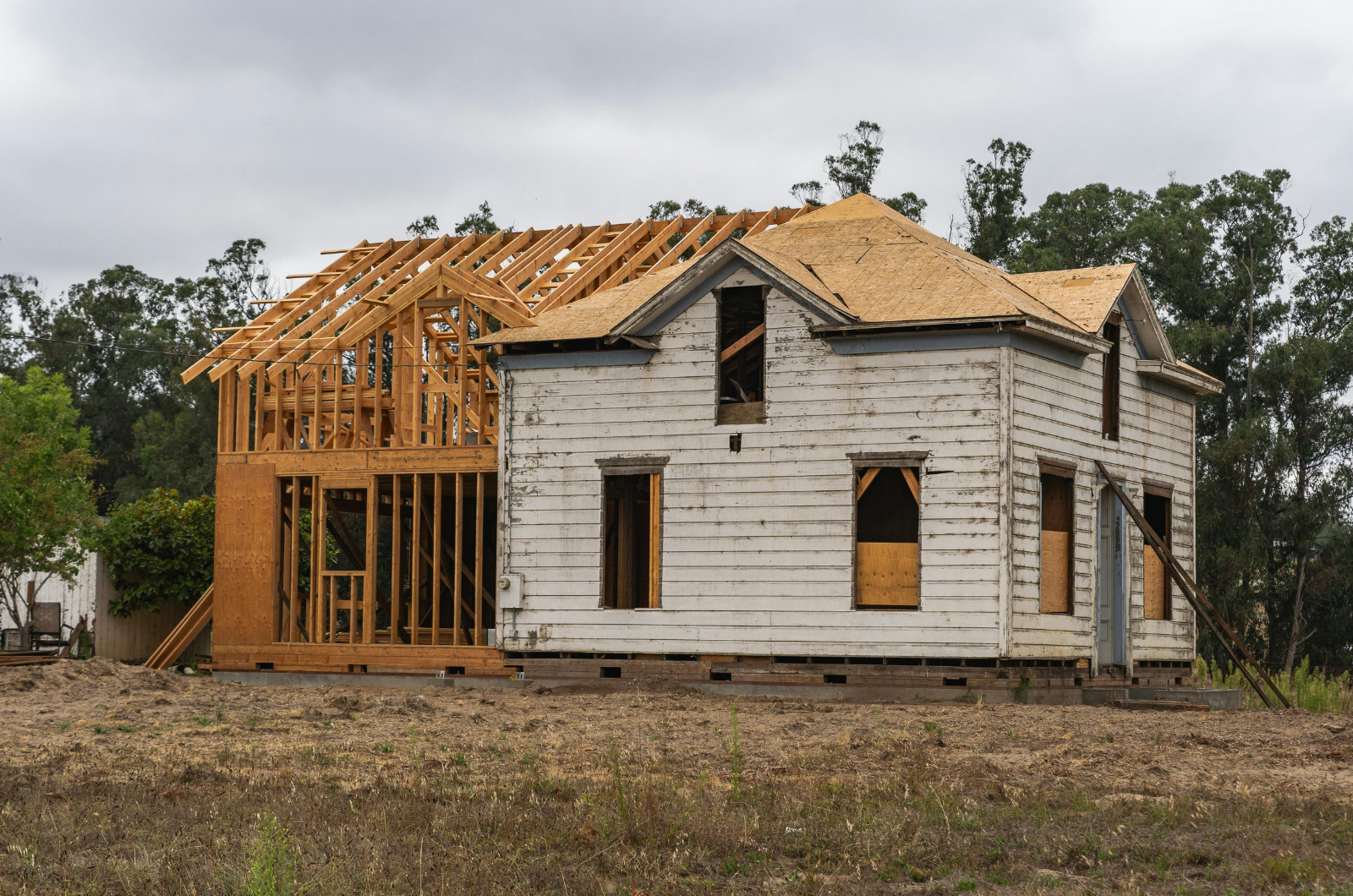
How Weather Impacts Home Construction Timelines
When planning our dream home, we set a schedule that outlines our expectations. Everything stays in order, contractor, the budget, and the design. Then our hopes came to a halt. Work is slowing, deadlines are shifting, and the predictability of project timelines were gone.
Often, the reason is not a lack of execution but adverse weather.
When considering home construction in Colorado Springs, weather becomes a huge factor determining the progress of building projects. Snow, ice, and the general unpredictability of Colorado weather can affect every step of your building process.
The answer is not to stop building, but to learn how the weather will affect your new home build.
Why Does Weather Have Such a Big Impact on Construction in ?
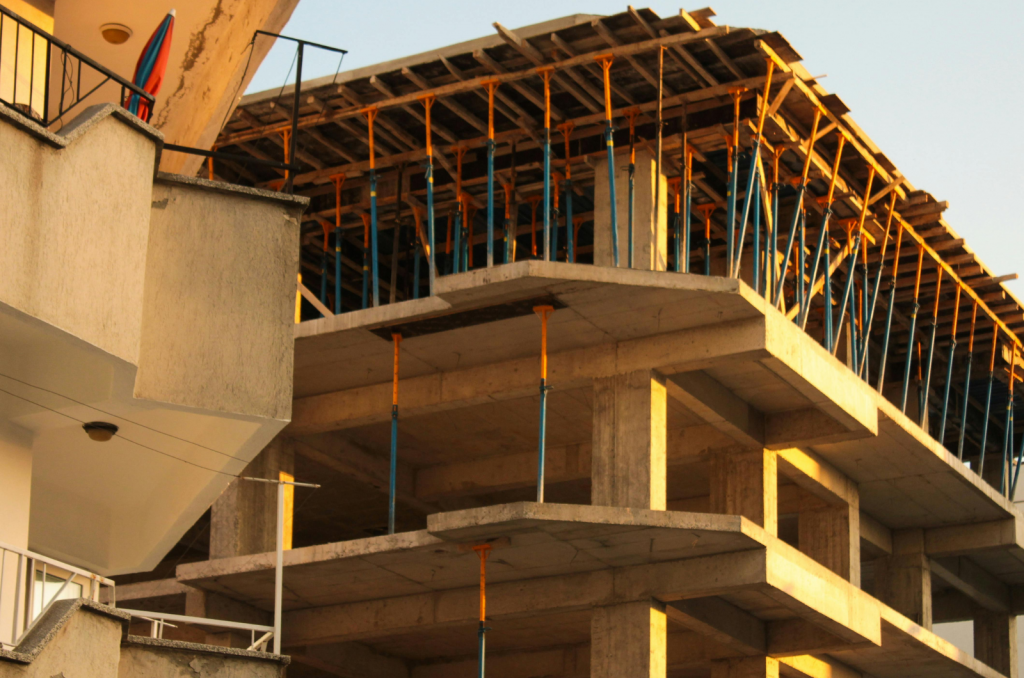
Colorado Springs has a unique climate. It experiences sunny days but also sudden weather shifts. One day it’s mild, the next day temperatures drop below freezing.
This unpredictability directly affects the home construction timeline.
Cold temperatures can freeze the ground, making excavation difficult. Snow and ice create unsafe working conditions. Even wind can stop crane operations or roofing work.
Another key issue is moisture. Snowmelt and rain can make the soil unstable, which delays foundation work. Workers also need safe conditions, and extreme weather often forces crews to pause work completely.
As per this report, around 25 people per year in Colorado Springs face delays in home construction due to weather changes.
So, while construction plans may look perfect on paper, weather often becomes the biggest uncontrollable factor.
National vs Colorado Springs Construction Timelines
| Phase of Construction | National Average Duration | Average Duration | Weather Impact Factor |
| Site Prep & Excavation | 1–2 weeks | 2–4 weeks | Frozen ground/snow removal |
| Foundation & Pouring | 1–2 weeks | 2–3 weeks | Cold-weather curing methods |
| Framing | 2–3 weeks | 3–5 weeks | Wind delays, shorter winter daylight |
| Roofing & Exterior | 1–2 weeks | 2–4 weeks | Snow, ice, hail, rain |
| Interior Finishes | 3–4 weeks | 4–5 weeks | Low temps slow drying/painting |
| Total Estimated Timeline | 8–13 weeks | 13–21 weeks | ~30–50% longer |
How Do Seasonal Conditions Impact Construction Timelines in Colorado Springs?
Every season poses its own obstacles, and understanding these obstacles helps keep home construction timelines predictable and helps manage expectations on new construction projects.
Winter Delays Are the Most Significant
Typically, winter causes the most slowdowns. Winter storms, extreme cold, and frozen ground can pause construction for days or weeks at a time. Even after the bad weather goes away, the ground may be frozen or muddy, and temperatures may need to stabilize for many days before work can resume.
In Colorado Springs projects, winter delays are not just occasional; they are repeated. This creates a ripple effect, pushing multiple stages forward and extending the overall home construction timeline.
Spring Brings Moisture and Soil Instability
Spring poses its own unique challenges. Melted snow combined with rain softens and destabilizes the ground.
This is especially problematic during early stages like excavation and foundation. Builders often need to wait until conditions improve, which delays progress in colorado home construction.
Summer Offers Speed but Not Perfection
Summer is generally the most productive season for construction. Longer daylight hours and stable weather allow crews to work consistently and complete tasks faster.
However, it’s not completely free from challenges. Sudden weather changes and high temperatures can still interrupt progress in new construction homes .
Fall Is Ideal but Short
Fall offers some of the best conditions for construction. The weather is stable, temperatures are moderate, and the ground is usually dry.
This allows crews to work efficiently without many interruptions. Many Colorado home construction projects aim to complete major phases during this season.
How Does Weather Affect Each Phase of the Home Construction Timeline?
Weather impacts every stage differently, which is why planning is critical in colorado home construction. From the first day of site work to the final interior finishes, changing weather conditions can slow down progress, affect material performance, and shift your home construction timeline .
Site Preparation Takes Longer in Cold Conditions
Clearing and preparing land becomes more time-consuming when the ground is frozen or covered in snow. Excavation crews often need specialized equipment to break through hard soil, which increases both time and effort. Frozen ground can cause increases in cost, longer time breaking it up, and additional costs for exporting the soil.
In addition, snow buildup must be removed before any work can begin. This repeated clearing process delays the start of construction and pushes the overall home construction timeline further.
Foundation Work Requires Temperature Control
Concrete pouring needs stable temperatures to set properly. In cold weather, builders use insulation blankets, additives, heated water, or temporary enclosures to protect the concrete from freezing.
These extra steps are necessary to maintain structural strength, but they also slow down the process. As a result, foundation work often takes longer in home construction projects during colder months and can incur additional fees.
Framing Slows Down in Harsh Weather
Framing involves assembling the structure of the house, which requires precision and steady working conditions. Cold temperatures and strong winds make it harder for workers to handle materials safely.
Shorter working hours and frequent pauses reduce productivity. This leads to slower progress and can extend the framing phase.
Exterior Work Depends Heavily on Weather
Roofing, siding, and painting are highly weather-dependent tasks. Snow, rain, or strong winds can stop work immediately, as these conditions affect both safety and quality.
Moisture can also damage materials if applied incorrectly. This is why exterior work often faces delays, especially when weather conditions are unstable in new construction homes.
Interior Work Can Still Be Affected
Even though interior work happens indoors, it is not completely immune to weather conditions. Without proper heating, materials like wood, drywall, and paint can react poorly to temperature changes.
Cold or damp environments can slow drying times and affect finishing quality. This indirectly impacts the overall home construction timeline, even during later stages of the project.
What Strategies Help Keep Construction Timelines on Track Despite Weather?
As we know, weather cannot be controlled, but smart planning can streamline the process and reduce the impact on home construction timelines. Builders with clear strategies and planning can keep their projects moving smoothly.
Plan Critical Phases Around Weather Patterns
Work scheduling plays a crucial role in avoiding delays. Builders who complete foundation work in stable weather can reduce the risk of frozen or wet ground.
When conditions are favorable, the major tasks can be done and move the project forward without frequent interruptions.
Use Weather-Appropriate Construction Techniques
Many technologies allows to work in challenging conditions, some of them are heated enclosures. Insulated blankets and cold-weather concrete mixes that protect the material.
These technologies allow to work with reduced chances of damage. This is especially useful in Colorado home construction during the winter months.
Add Buffer Time to Your Timeline
Weather conditions are unavoidable, and adding a buffer time to your schedule can absorb unexpected interruptions without causing major stress.
A flexible timeline also allows contractors to maintain quality without rushing work. This is essential for keeping new construction home projects on track.
Work with Experienced Local Builders
Local builders understand the climate very well. Their experience can help in planning things better and responding quickly according to situations.
They can adjust schedules, choose the right materials, and apply proven techniques. This expertise plays a major role in managing the home construction timeline effectively.
Maintain Clear Communication
Regular communication between homeowners and contractors is crucial. Updates about delays, weather conditions, and schedule changes help everyone stay aligned.
When expectations are clear, it becomes easier to adjust plans and avoid frustration. Strong communication keeps the project organized, even when weather creates unexpected challenges.
Conclusion
Home construction timelines are greatly affected by weather conditions.
Frozen or muddy ground surfaces are seasonal challenges that can greatly delay construction. However, with some planning, it is possible to avoid or manage construction delays.
Beginning a construction project in Colorado requires a great deal of flexibility. Relying on timelines is counterproductive, so it is best to have a plan to avoid construction delays.
If you’re planning construction in , now is the time to connect with a builder about your flexible construction plan to manage the weather.
FAQs
In cold weather, what are the four P’s to protect?
The four P’s are people, pets, pipes, and plants. This means protecting employees, materials, plumbing systems, and landscaping.
What is considered too cold for construction work?
When wind chill is a factor, it’s considered too cold to work outside when it’s below 20°F (-6°C).
What are the four major types of delay that can occur in construction?
Foreseeable or weather-related delays, delays caused by the contractor, delays caused by the owner, and delays due to several overlapping issues.
What are some construction strategies for very cold weather?
Heating water and using insulated blankets are strategies to keep concrete from freezing to allow proper curing.
What type of concrete works best for extremely cold weather?
For very cold weather, the best type of concrete to use is air-entrained concrete, as it is made to withstand the expansion and contraction that is caused by repeated freezing and thawing cycles.