
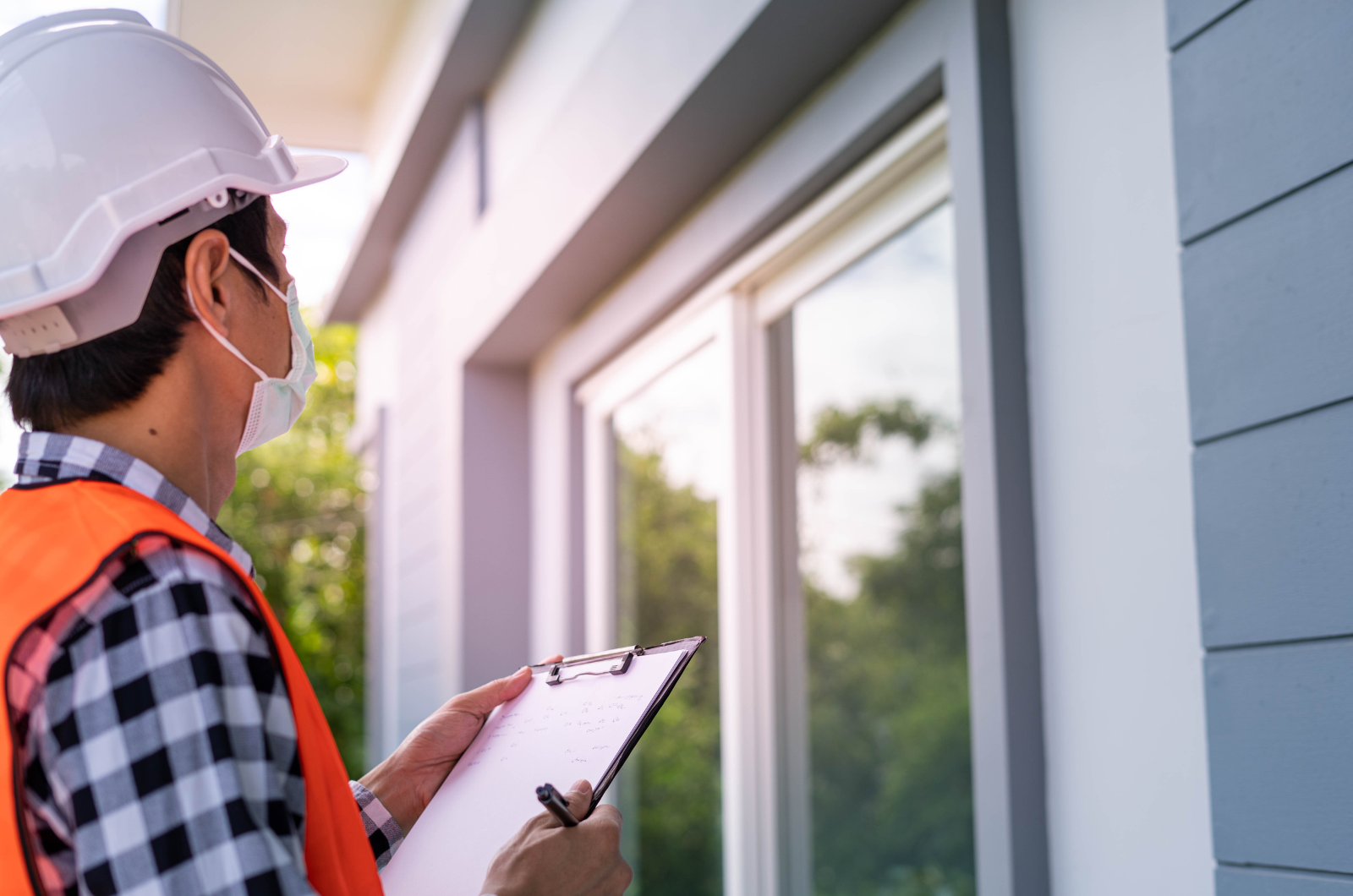
Initially, building a custom home is all about the thrill of it, but very soon, you find yourself faced with making a whole bunch of decisions that you’re probably not equipped to handle. You start with a dream, but before you know it, you’re juggling land problems, permits, architectural choices, and scheduling
s, and costs that keep on changing.
Things get a thousand times more complicated when you’re in Colorado. That is a fact, from weather conditions to soil changes and local rules, all work their way into affecting your project. Most homeowners think that hiring a builder is a solution, but without a proper custom home building checklist, even the best teams can flounder with delays or miscommunication.
Most people think that construction is the real problem, but it’s actually the absence of well-thought-out planning that leads to problems once you get to construction.
Here is a complete home building checklist that will help you get organized and avoid common mistakes while keeping you in touch with your project from start to finish.
1. Define What You Actually Need from Your Home

Usually, people see the images that motivate them, but they are not clear as to what changes they want to make. That usually causes trouble down the line.
First of all, you have to decide what your requirements are for how your house should serve your daily life. Besides the number of rooms or total space, these things really matter: how areas are connected, how you get from one place to another, and how your requirements might change as time goes by.
Data from Remodeling Magazine shows that homeowners often recover 60% to 80% of renovation costs, highlighting the importance of making informed building and upgrade decisions.
If you have a clear vision early on, it will limit your redesigns later. Changing designs is a major contributor to going over budget. Don’t just focus on what you need today. For example, the space you use as a study now may serve as a guest bedroom later, or the areas you keep open might need to be used differently as your family grows.
You are setting the foundation for your whole-home construction experience in Colorado at this stage. If you lack clarity here, every subsequent decision will become more difficult.
2. Choose Land Based on Build Feasibility
Of course, location is an important factor in the purchase of a property. But, when it comes to home building, it is the land conditions that play a bigger role.
Some home buyers are so enamored by a good view or a nice neighborhood that they forget to check how the place will work for their house. It is well known that in Colorado, steepness of the neck, the kind of soil, the way rainwater flows, and road access are some of the biggest factors that can even change the budget for construction.
The thing is, you should figure out first if the land can accommodate your house plan before signing the contract. Take, for instance, if the ground is very even on the upper side and becomes a very steep slope on the lower side, then the builder must put more effort into excavating and possibly use different kinds of work for the foundation; thus, such work must be taken into the contract price.
Making a wise choice of the land will ensure that the construction can be done without any hassle. However, if you make the wrong decision, then you will face problems that you may not be able to solve later. It is the step that most people building a custom home miss, but it affects you the most by far.
3. Build a Realistic Budget (Not an Ideal One)
Budgeting is where expectations often break.
Most homeowners estimate costs based on averages or rough numbers, but actual costs depend on design complexity, material choices, and site conditions. Without a detailed budget, small changes can quickly escalate into major financial issues.
Studies show that nearly 70% of construction projects exceed their initial budget, often due to design changes or underestimated costs.
A realistic budget should include all phases of construction, not just building costs. You also need to account for permits, design fees, site preparation, and interior finishes. Most importantly, you should always include a contingency buffer.
Instead of treating budget as a fixed number, treat it as a controlled range. This gives you flexibility when unexpected costs arise, which they almost always do in home construction Colorado projects.
4. Select the Right Builder Based on Process
Choosing a builder is not about finding the lowest quote. It’s about finding someone who can manage complexity.
Experienced custom home builders Colorado do more than construct, they coordinate, plan, and prevent problems. A good builder provides clarity on timelines, communicates regularly, and manages subcontractors effectively.
You should evaluate builders based on how they handle projects, not just what they promise. Ask about their process, past work, and how they deal with delays or changes.
A poor builder choice leads to confusion, delays, and unexpected costs. A strong one brings structure and confidence to your entire project.
5. Finalize Design Before Construction Begins
One of the biggest reasons projects get delayed is that design changes are made during construction.
Every change made after construction has started will affect timelines, materials, and labor.
That’s why your design needs to be almost complete before starting construction.
This covers layout, structural components, electrical plans, and material choices. Even the small things, like how many lights you have or where you keep things, should be figured out early.
Actually, design is much more than just the exterior. It has a very personal impact on what your home is like. A good design not only makes your home easy to use but also saves lots of headaches caused by changes later.
6. Understand Permits and Approval Timelines
Permits are often the last thing someone thinks of, but they have the power to totally hold up your building project.
In Colorado, you usually need to get permission for the building frame, electrical, plumbing, and heating, ventilation, and air conditioning (HVAC). Getting these permissions can take a while, and you also have to provide the right paperwork.
Don’t just think of permits as something you have to do to get a pass, but consider them a natural part of your timetable. Get with your builder to make sure everything gets done right the first time.
Usually, there are delays here, but with proper planning, you can avoid them. This is one of the most important steps in your home building checklist because it will make or break your time schedule.
7. Plan a Construction Timeline with Flexibility
Progress often stalls when schedules lock in too tightly. Weather swings, labor shortages, and delayed deliveries keep projects off track, mainly in Colorado, where winter halts outdoor work.
Instead of setting a single deadline, build a window of time that accounts for surprises. That way, setbacks don’t crash the whole plan. A flexible schedule keeps things moving even when things shift unexpectedly.
8. Lock Material Selections Early to Avoid Delays
Selecting materials late leads to constant backtracking. Without final decisions, trades can’t start, and procurement gets tangled. Flooring, windows, hardware, and surface treatments should be picked before work begins so plans stay solid.
According to the National Association of Home Builders, more than 80% of builders report labor shortages, which can significantly affect construction timelines.
In Colorado’s harsh climate, certain materials break down faster if not chosen correctly. Proper choices protect against wear and keep upkeep low over the years.
9. Stay Involved During Construction
Being continually in the loop with your builder will inevitably lead to a better outcome.
Managing construction is definitely not your only responsibility. However, keeping yourself updated, talking to your builder, and visiting the site are great ways to monitor progress and identify problems early.
If you and your builder talk openly, it’ll eliminate miscommunications and make sure the end product is something you like.
Usually, homeowners withdraw altogether right after the start of construction and then get shocked later on. Keeping communication allows you to have the project as per your concept.
10. Conduct a Detailed Final Inspection Before Handover
The final point is when everything should come together, and it is definitely not a step to be hurried.
You will have to perform a detailed examination of the home before the possession date. You need to include checking the finishes and testing the different systems, as well as listing the work that has not been completed.
Don’t just check your home for superficial issues, but aim for functionality when you are getting ready for the handover. From plumbing to electrical systems, make sure that everything is done to your satisfaction.
This is a way of safeguarding your investment and securing yourself a new home that you will enjoy for many years to come.
Conclusion
Building a custom home is not just about construction, it’s about making the right decisions at the right time.
A structured custom home building checklist helps you stay organized, avoid unnecessary costs, and reduce delays. It gives you clarity in a process that often feels overwhelming.
If you are planning your project, don’t approach it without a clear roadmap.
Talk to experienced custom home builders in Colorado who understand the process, local conditions, and potential challenges. The right guidance early on can save months of delays and high costs later.
FAQs
What are the essential steps in a complete custom home building checklist?
You basically need to identify your requirements, choose your site, set up an affordable budget, pick a builder, complete design, get a permit, plan schedules, select materials, oversee construction, and do a thorough final inspection.
How to find a reputable custom home builder in my area?
Search for builders who have a long track record of successful projects, a good set of project examples, excellent testimonial reviews, and proper licensing. Most importantly, make sure they are a good fit for your project in terms of procedures, communication style, and ability to meet deadlines and budgets.
How long does custom home construction take in Colorado?
Typically, it takes about 8 to 14 months to build a custom house in Colorado. The time period varies according to the complexity of the design permits weather, and availability of materials.
What is the most common mistake in custom home building?
The most common mistake is starting construction without finalizing the design and budget. This leads to changes during construction, which increase costs and delay timelines.
How much contingency budget should I keep?
As a rule of thumb, you should set aside 10 to 20 percent of your overall budget for contingencies to cover any unexpected expenses or changes during construction.