
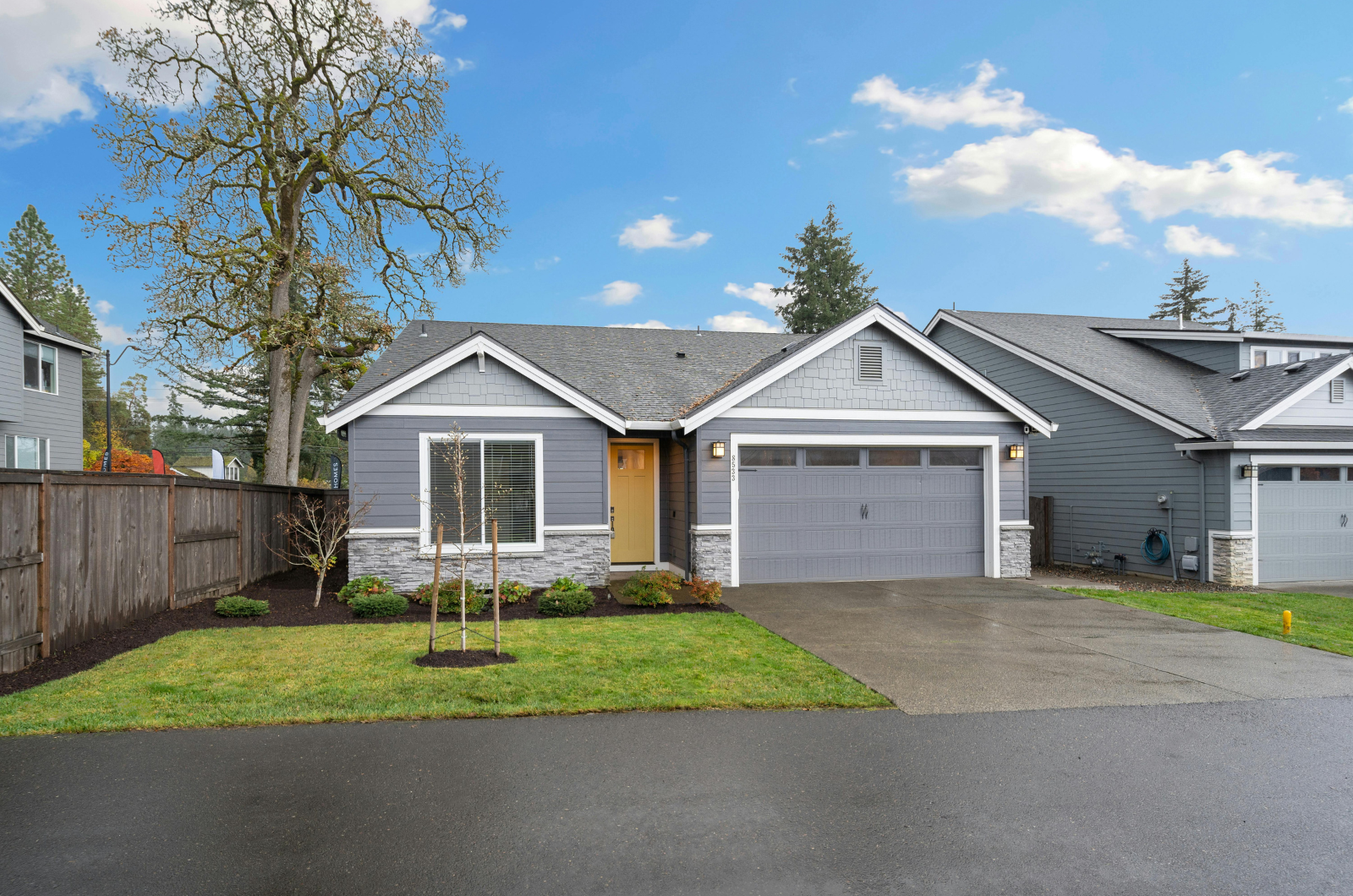
How can you really tell if a builder is the right one for your project?
People just compare prices, check out some photos online, and probably skim through some reviews. Still, the most typical sign that the wrong builder was hired only comes to light once the work has begun. Then it’s communication breakdowns, fuzzy budgeting, timeline slippages, and a lack of coordination that start to ruin the whole experience.
Actually, picking among several home builders in Colorado Springs is more than just who can make the prettiest homes. It’s about finding out how they run their projects, how they talk to the homeowners, how they deal with delays, and how they keep costs in control during the building phase.
This is the reason why it’s important to ask the right questions early on.
The answers will describe a builder so much better than just a portfolio ever could. They will show how good the builder is at running projects, how open and honest the builder is, and whether you and the builder are two peas in a pod before signing contracts.
Below are the most important questions to ask a custom home builder before hiring one in Colorado.
1. How Long Have You Been Building Custom Homes in Colorado?
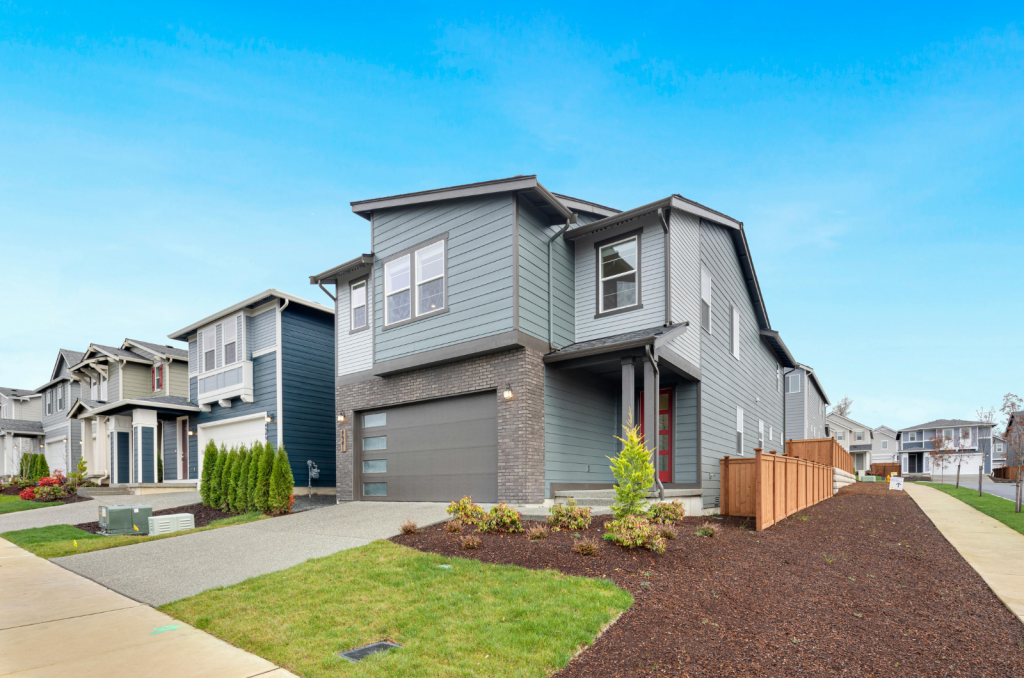
Experience is important, but local experience is even more critical. Colorado construction has its own set of issues related to permits, weather conditions, soil movement, and elevation.
A builder who knows these local factors tends to be more capable of turning a problem into a manageable situation rather than an expensive delay.
This question also reveals whether the builder is first and foremost a custom home builder or only handles residential projects on an occasional basis. Constructing custom homes entails a completely different level of planning, communication, and coordination than typical construction.
A lot of Colorado home builders with wide experience can also tell you how their methods have changed over time and how they deal with unexpected conditions in construction.
Besides the number of years in the industry, notice the elaborateness of the responses. Custom construction experts are often able to talk about previous difficulties, site issues, permit delays, and their solutions. Such hands-on knowledge becomes quite helpful once your project is in the multiple construction phases stage.
2. Can You Show Past Projects Similar to What I Want?
A builder may produce excellent work, but that does not automatically mean they specialize in your style or project scope.
Ask to see projects similar to:
- Your architectural style
- lot type
- square footage
- layout preferences
- design expectations
This question will let you measure whether the builder is consistent, skilled, and pays attention to detail. Besides, getting the answer will help you see if the builder is regularly making houses at the level you want.
While homeowners pay attention only to the finished photographs, it is very helpful to ask about difficulties the builder faced during the project and how they solved them.
Several industry guides recommend checking portfolios and talking directly to the builder’s previous clients, which will give you an idea of whether you should hire them or not.
You should further inquire if those projects were able to remain close to their initial dates and budgets. A nicely done house is not always an indication that the construction process was well organized. Getting to know how the builder dealt with communication, scheduling, and changes during those projects will provide a more accurate idea of how your own situation may turn out.
3. Are You Properly Licensed and Insured in Colorado?
This is a very effective question that a lot of people forget to ask home builders before signing agreements with them.
By being licensed, a builder is more educated about the local building codes, permit requirements, inspections, and construction regulations in Colorado. In addition, a homeowner will be properly protected by insurance if any accidents, damages to the property, or subcontractor-rooted problems occur during the project.
You should ask for:
- contractor licensing information
- proof of general liability insurance
- workers’ compensation coverage
- local registration if required in your area
A professional builder should have no hesitation in providing this information clearly.
This question also helps homeowners avoid contractors who operate without proper documentation or who rely heavily on subcontractors without adequate coverage. Hiring an uninsured or improperly licensed builder can create serious financial and legal risks later if issues arise during construction or after project completion.
Colorado homeowners should also confirm whether the builder is familiar with local municipal requirements in Colorado Springs and surrounding areas, since permit and licensing expectations can vary between jurisdictions.
4. How Do You Handle Construction Delays?
Every project experiences some level of delay. The real difference is how the builder manages those situations.
Many homeowners only ask about the estimated timeline, but they rarely ask:
- What typically causes delays?
- How are schedule changes communicated?
- How often are timeline updates provided?
A strong builder should already have systems in place for handling weather interruptions, subcontractor coordination, material shortages, and inspection scheduling.
This question also reveals how organized the builder’s communication process actually is. Delays become much more stressful when homeowners feel uninformed.
Several construction experts note that proactive communication during delays is one of the strongest indicators of a reliable builder.
You should also ask whether the builder creates timeline buffers during project planning. Builders who schedule projects too aggressively often create unrealistic expectations from the beginning. A realistic timeline usually accounts for inspections, weather interruptions, and material delivery changes before construction even starts.
5. Who Will Be My Main Point of Contact During Construction?
One of the biggest frustrations homeowners experience is not knowing who to contact once construction begins.
Some builders handle communication personally, while others assign project managers or coordinators. The important thing is clarity.
You should know:
- Who provides updates
- Who handles approvals
- Who answers questions
- Who manages emergencies or urgent changes
Projects move more smoothly when communication channels are defined early. Without a clear point of contact, small issues can quickly become larger scheduling or coordination problems.
Industry discussions consistently emphasize the importance of identifying communication responsibilities before construction begins.
You should also ask how quickly questions are typically answered. Even well-managed projects become frustrating when homeowners wait days for simple responses or approvals. Clear communication expectations help reduce misunderstandings during construction.
6. How Do You Manage Budget Changes or Change Orders?
Most homeowners change something during construction. The issue is not the change itself, it’s how the builder handles it.
Ask:
- How are change orders documented?
- Are updated costs approved before work begins?
- How do changes affect timelines?
This question helps you understand whether the builder operates with structure or relies on informal verbal approvals.
Builders with organized systems usually provide written updates, revised pricing, and schedule impacts before changes are finalized. That transparency protects both the homeowner and the project budget.
One of the biggest reasons custom home budgets increase is because of undocumented scope changes and delayed approvals during construction. Industry experts consistently identify change orders as one of the leading causes of budget overruns in residential projects.
You should also ask how frequently change orders happen during their projects. Experienced builders often reduce unnecessary changes by finalizing more decisions before construction begins. Builders with weak planning systems may rely heavily on mid-project revisions, which usually increase both costs and delays.
7. How Often Will I Receive Project Updates?
Some homeowners want weekly updates. Others prefer milestone-based communication.
The important thing is consistency.
Ask:
- How often are updates provided
- Whether updates are scheduled or reactive
- If photos, timelines, or progress reports are shared
A builder who communicates regularly usually manages projects more effectively overall. Consistent updates reduce stress because homeowners always understand where the project stands.
Communication quality is repeatedly identified as one of the strongest indicators of homeowner satisfaction during custom home construction.
You should also ask whether meetings are scheduled at key construction stages. Walkthroughs during framing, electrical planning, cabinetry, or finishing phases help homeowners stay involved before major decisions become difficult to change later.
8. How Do You Handle Permits, Inspections, and Building Codes?
Many homeowners underestimate how much permitting affects timelines.
Experienced home builders in Colorado Springs should already understand:
- local building codes
- permit timelines
- inspection requirements
- zoning restrictions
You should ask whether the builder:
- handles permit coordination directly
- manages inspections
- prepares documentation
- addresses failed inspections if needed
This question helps you understand how much responsibility the builder actually takes during the project.
Experts recommend verifying licensing, insurance, and permitting experience before hiring any contractor or builder.
You should also ask whether there are local HOA requirements or architectural review approvals that could affect the project timeline. In some Colorado communities, HOA approvals add another layer of scheduling before construction can even begin.
9. What Makes Your Process Different from Other Builders?
This question often reveals more than homeowners expect.
Strong builders usually explain:
- communication systems
- project management approach
- planning process
- quality control methods
- homeowner involvement
Weak builders often respond only with vague promises about quality or pricing.
The goal here is not to hear a sales pitch. It’s to understand whether the builder has a structured process that creates consistency during construction.
Many homeowner resources recommend comparing process quality instead of only comparing estimates or photos.
Construction projects involve multiple stakeholders, including architects, subcontractors, suppliers, inspectors, and homeowners. Without structured communication systems, project coordination becomes significantly harder to manage efficiently.
Pay attention to whether the builder explains actual systems or only speaks generally about craftsmanship. Structured builders often describe scheduling methods, approval workflows, quality inspections, and communication practices clearly because they already operate within established processes.
10. Can I Speak With Previous Clients?
Reviews help, but direct conversations provide a much clearer picture.
Ask previous clients:
- Was communication consistent?
- Did the project stay close to budget?
- Were delays handled professionally?
- Would they hire the builder again?
Former clients often reveal details that don’t appear in testimonials or online portfolios.
This is one of the most valuable ways to evaluate trust, organization, and overall homeowner experience before hiring a builder.
Multiple industry sources strongly recommend speaking directly with past clients when evaluating custom home builders.
When speaking with previous clients, try asking about both the positive and difficult parts of the process. Even strong projects face challenges, but the way those challenges were handled often tells you more than the finished home itself.
Conclusion
The custom home building process becomes much smoother when expectations, communication, pricing, and responsibilities are clear from the beginning. The questions you ask before hiring a builder often determine how organized and stress-free the entire experience will feel later.
Instead of focusing only on pricing or design photos, pay attention to how clearly the builder explains timelines, budgeting, delays, communication, and project management. Strong builders are usually transparent, detailed, and comfortable answering difficult questions early.
If you’re planning to build in Colorado, taking time to properly evaluate different home builders in Colorado Springs can help you avoid major frustrations during construction.
Looking for guidance before starting your custom home project? Connect with Grandview Homes to discuss your ideas, ask questions, and better understand the building process before moving forward.