
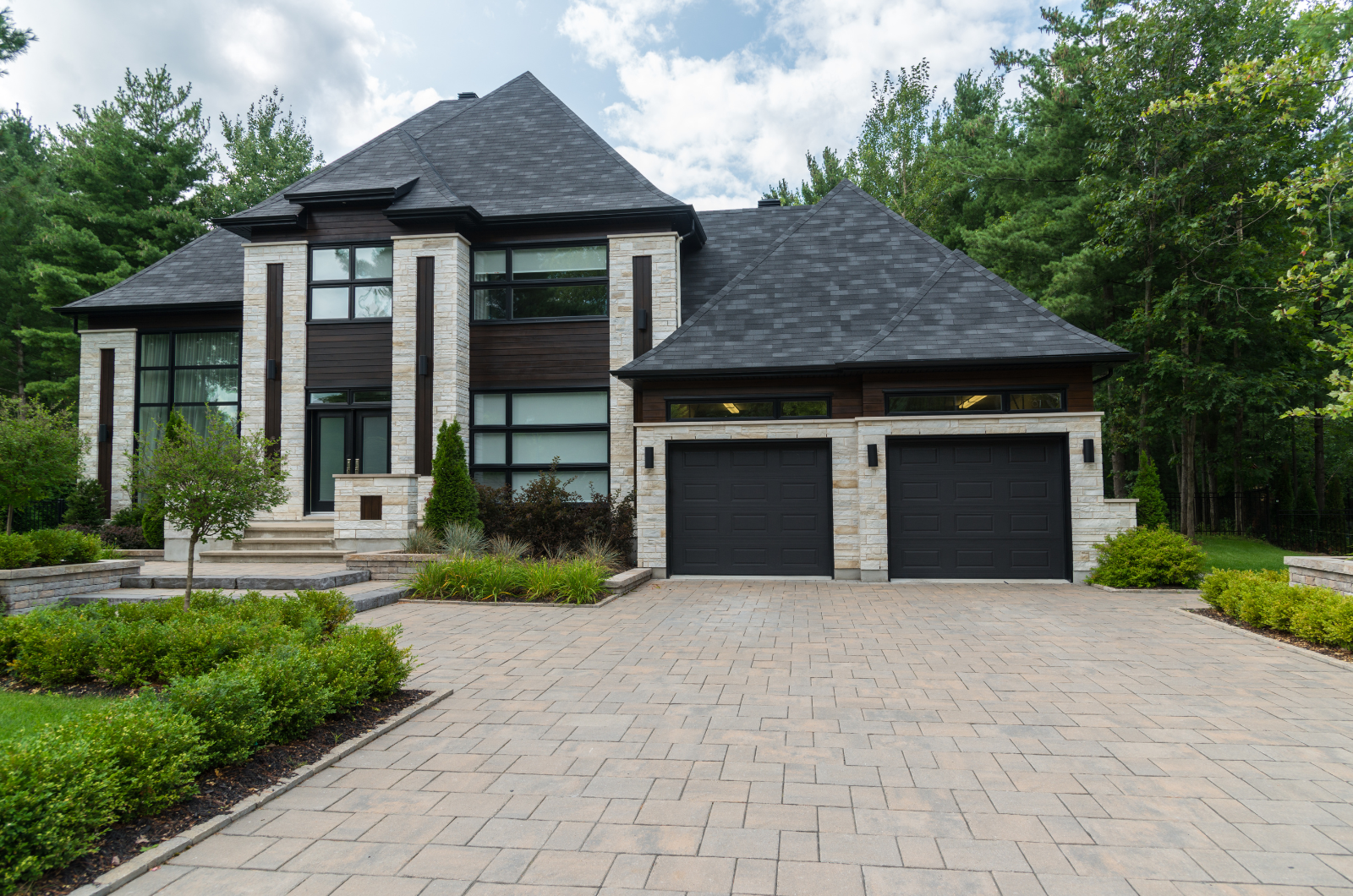
In the first month, it feels like the construction is moving quickly. But after a month, the progress slows down when inspection starts happening, a new team arrives, and suddenly, homeowners feel annoyed. What’s actually going on behind the scenes?
Such confusion arises because building a custom home isn’t just one construction phase after another. It’s a series of interconnected stages where each decision, inspection, and installation determines the next part of the project. If one stage is delayed, everything both ahead of and behind it changes as well.
Most people only recognize the fun parts like framing, flooring, or final touches. Though some of the most critical work occurs even before walls are erected. Permits, site preparation, engineering inspections, utility coordination, and material scheduling are the big players in how construction progresses smoothly.
Knowing the main construction stages of a home helps homeowners not only to set realistic expectations but also to plan better for timelines and to be more confident during the building process. It is also the reason why some phases may be fast while others still need patience, approvals, or technical coordination for visible progress to continue.
Industry data show that the typical timeline for custom home construction could be 10 to 16 months on average, subject to various factors including design complexity, obtaining permits, and material availability.
Quick Breakdown of the Main Home Construction Stages
| Construction Stage | Primary Purpose | Typical Timeline |
| Pre-Construction Planning | Design, permits, and budgeting | 1–4 months |
| Site Preparation & Excavation | Prepare land for the foundation | 1–3 weeks |
| Foundation Stage | Structural base of the home | 2–4 weeks |
| Framing Stage | Build a structural framework | 1–2 months |
| Rough-Ins | Plumbing, electrical, HVAC | 2–6 weeks |
| Insulation & Drywall | Interior wall preparation | 2–4 weeks |
| Interior & Exterior Finishes | Flooring, cabinets, siding | 1–3 months |
| Final Inspections & Walkthrough | Quality checks & approvals | 1–3 weeks |
Stage 1: Pre-Construction Planning and Design
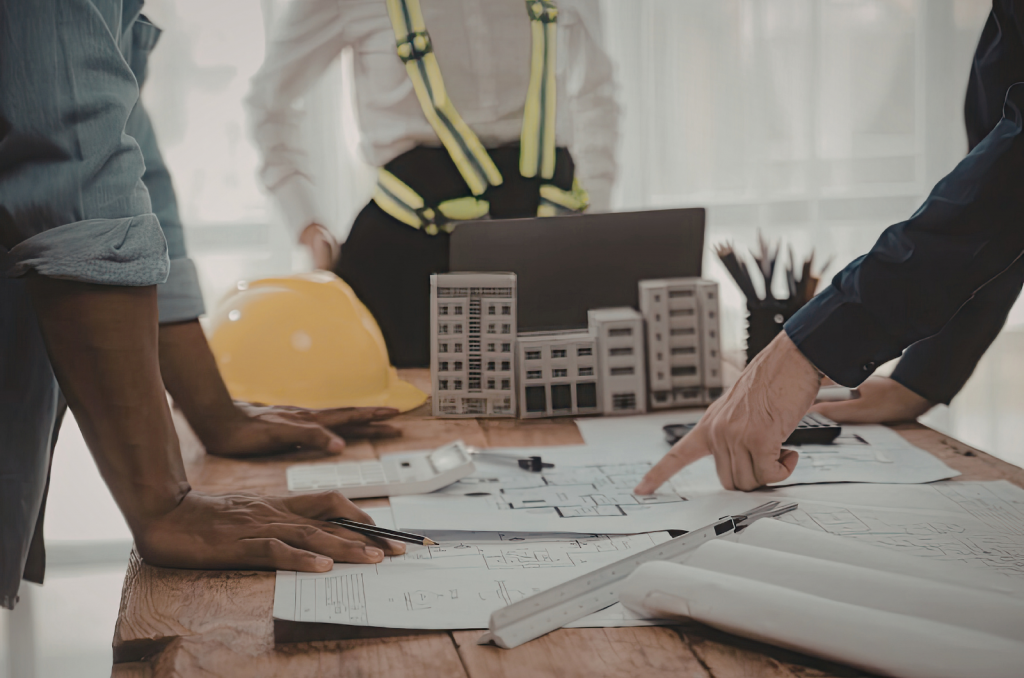
This is one of the most important home-building stages, even though no visible construction happens yet. Many future delays and budget problems actually begin during pre-construction because important decisions are left unresolved before building starts.
This phase includes architectural planning, budgeting, engineering coordination, land evaluation, permits, utility planning, scheduling discussions, and material selection planning. Builders also review zoning restrictions, drainage conditions, and site accessibility before construction begins.
According to construction timeline research, permitting and planning alone can take several months depending on project complexity and local approval requirements.
Homeowners often underestimate how valuable this stage really is. Strong planning during pre-construction helps reduce expensive changes later during framing, rough-ins, or finish installation. It also creates a more accurate project timeline before active construction begins.
In experience across custom residential projects, smoother builds usually begin with detailed pre-construction planning. When layouts, budgets, and material expectations are properly aligned early, construction tends to move much more efficiently later.
Stage 2: Site Preparation and Excavation
When all the planning approvals and building permits are obtained, the next step is the construction process. This step aims to prepare the land by stabilizing it and making the site workable in readiness for the start of the foundation stage.
Carried out by the contractor, trench excavation, utility access points, established grading, excavation, and created the appropriate drainage conditions for the future building.
Utility access points and trenching may be started if indicated in the proposed layout and site conditions allow it. Sometimes, environmentally sensitive aspects of a property in Colorado may lengthen project time frames, so it is advisable to keep this in consideration. Mostly if the parcel contains rising or sloping land, heavy clay soil, or drainage issues, etc.
Weather again becomes very influential during the initial site preparation process. Excessively wet or frozen conditions can make working with excavation equipment extremely difficult and dangerous. This is a large factor in why schedules during the early construction phases can often change unexpectedly.
While this step may not seem visually interesting yet, it affects the overall structural stability of the house for the long haul. Conditions that are missed during site preparation can be very costly and difficult to fix as construction gets underway.
Stage 3: Foundation Construction
The foundation stage lays down the structural bedrock that supports the whole house. Given how it’s planned, it could be a slab foundation, crawl space, basement, or a retaining wall system.
This stage entails earthmoving modifications, cement casting, protection from water, setting up reinforcements, checks, and the periods when the concrete gains strength. One factor why this step may be longer than planned is that the concrete has to be given enough time to harden properly before any heavy structural weight can be put on top of it.
Foundation examinations are very necessary since even minor alignment or structural problems can result in framing errors later on in the project. Builders thoroughly examine measurements, drainage systems, and reinforcement locations before going ahead with structural framing.
Based on NAHB construction cost breakdown data, foundation activities are responsible for over 10% of overall residential construction costs.
Although visually this stage might not seem so thrilling, it’s structurally one of the most important times in the whole custom home building journey. A well-built foundation alone can house the support needed for decades of durability, stability, and overall home
Stage 4: Framing the Structure
Framing is usually the stage when most homeowners finally get that “this is really happening” feeling. Starting with the structural elements, the walls, the roof systems, the support beams, the floor systems, and so on, everything is put together in a somewhat fast-paced way during this stage.
With the onset of framing, the sizes of rooms, building plans, ceiling heights, and general lifestyle around the home become a lot clearer to the imagination. This is probably the point at which most home builders get really thrilled because so much can be seen to change and progress unfolds right before their eyes, so that the earlier stages just didn’t allow it.
Even though framing can be done very fast, it’s not something that can be completely done at once, as there are several inspections and quality checks to be completed. Builders need to physically demonstrate the structural accuracy, compliance with local building codes, load calculations, and engineering requirements before any other installations can be done.
From residential construction cost analyses, framing itself usually accounts for about 16% of total project costs for a custom home.
Low-quality framing work can quite a bit jeopardize not only the drywall finishing but also the flooring installation, roofing effectiveness, operation of windows, and overall long-term structural integrity, among other things.
Stage 5: Rough-Ins for Plumbing, Electrical, and HVAC
After framing is complete, the home enters one of the most technical home construction stages. This phase focuses on installing all major systems behind the walls before insulation, and drywall is added later.
Plumbers, electricians, HVAC installers, and low-voltage specialists all work throughout the structure simultaneously. These systems must fit together carefully without interfering with each other’s layouts or future accessibility.
This stage often takes longer than homeowners expect because multiple subcontractors need to coordinate schedules and inspections carefully. Every major system typically requires approval before the next phase can begin.
Industry research consistently shows that coordination problems between construction trades are one of the leading causes of project scheduling delays.
This is also the stage where homeowners finalize important decisions, such as:
- outlet placement
- lighting locations
- thermostat positioning
- appliance layouts
- smart home wiring
Once drywall begins, making changes to these systems becomes significantly more difficult and expensive.
Stage 6: Insulation and Drywall Installation
After inspectors give the go-ahead for rough-ins, the installation of insulation and drywall will commence. This phase will alter the home’s look quite greatly as the bare framing will be covered up, and it will really start resembling a living area.
Insulation not only makes a house use less energy but also makes it more comfortable to live in and controls the sounds. After insulating, drywall teams come and put up the walls and ceilings while also getting the surfaces ready for the next steps.
Putting up drywall is not just one thing – it is hanging it, taping the parts, mudding them together, sanding them, doing texture to the walls, not to mention waiting time for drying between coats. Quite often, this will be the step that homeowners will be longing to get done as quickly as possible, but, in fact, if you want it to be well done and the results to be great, then working on drywall is one of those things that takes time and the right touch.
Here is when, by the home building, you will get a good feel for the size of the rooms, how the hallways are connected, the height of the ceilings, and the general layout of the interior. At this stage, the house is really turning into a home rather than a place where work is still going on.
During the drywall sanding, dust will be produced in all rooms, and it will be necessary not only to open the windows but to somehow keep this dust to a minimum as well.
Stage 7: Interior and Exterior Finishes
This is often the longest and most detail-oriented stage in the entire custom home building process. Interior and exterior finishes involve dozens of moving parts happening at the same time.
Interior work may include:
- flooring installation
- cabinetry
- countertops
- trim work
- painting
- tile installation
- lighting fixtures
- appliances
Exterior works are variable and may involve siding, roofing, stonework, landscaping, etc., based on the project.
Interior finishing is the most costly element of a residential construction project, with a share of over 24% of the total budget, according to construction cost data.
This is a very critical phase with scheduling because if one product or subcontractor gets delayed, then it is highly likely that many others will also be affected. For example, if there is a delay in countertop installation, it might cause rescheduling of plumbing fixtures, appliance installation, final inspections, etc.
During this stage of making finishes/reaching decisions, homebuyers also tend to be very emotional and can be swayed. In fact, finishes are the main influencers of the final look as well as the vibe of a home. Conversations going back and forth between homebuilders and homebuyers here really help to keep timelines and budgets in alignment.
Stage 8: Final Inspections, Walkthrough, and Completion
The final stage focuses on inspections, quality checks, system testing, and preparing the home for move-in approval.
Builders complete walkthroughs with homeowners to identify the following:
- cosmetic touch-ups
- unfinished details
- adjustment requests
- operational system checks
This stage also includes final permit approvals and occupancy certification, warranty discussions, and orientation of the homeowner to systems like HVAC controls, electrical panels, plumbing shutoffs, and maintenance recommendations.
Many homeowners mistakenly believe that construction is complete once cabinets and flooring are installed, but major roles of final inspections are timely and before the project can be officially closed. In fact, builders typically spend a good amount of time during this phase correcting minor details and making sure that everything is functioning properly before handover.
A properly controlled final walkthrough leads to a more convenient move-in experience and a reduction in post-construction frustrations later on.
Conclusion
Completing a home from start to finish is a lot more than planning, coordinating, inspecting, and scheduling. Each stage has an impact on the one that follows, which is why throughout the project, communication and preparation hold such a significant role.
Having a grasp of the different home construction stages will enable you to prepare for finances, time period, inspections, and other choices realistically. Apart from that, it establishes a line of communication between homeowners, builders, subcontractors, and project managers during the construction phase.
Highly detailed custom home projects often arise when every phase has been planned, and clear expectations are right from the beginning. Rather than looking at construction as a large, complicated process, breaking it down stage by stage can make the whole experience much easier to understand and manage.
Yet, to have a trouble-free custom home construction in Colorado, you need to have a team of builders who will not only walk you through each stage but also help to reduce your stress and organize your experience from start to finish.
FAQs
What are the major home construction stages?
The major home construction stages comprise planning, site preparation, foundation framing, rough-ins, insulation, drywall finishing, inspections, and the final walkthrough.
Which stage of home construction takes the longest?
Generally, interior and exterior finishing stages take the most time. The reason is that various subcontractors, custom materials, inspections, and detailed installations may be happening at the same time.
How long does the custom home building process usually take?
Typically, the entire custom home building process can last anywhere from 10 to 16 months, with factors like permits, weather conditions, material availability, and design complexity having an impact.
Why do delays happen during home construction?
Reasons for delays are permit approvals, bad weather, material shortages, scheduling conflicts, inspections, and late decisions made by the homeowners.
What stage of construction affects costs the most?
Interior finishes will most likely have the greatest impact on costs as cabinetry, flooring, countertops, lighting, appliances, and custom selections can A lot increase the overall budget.